
AI Personalization and RAG for Ecommerce: How to Increase Conversions in 2026
Retrieval Augmented Generation (RAG) into your growth marketing strategy so you can turn scattered data into personalized experiences that convert better.

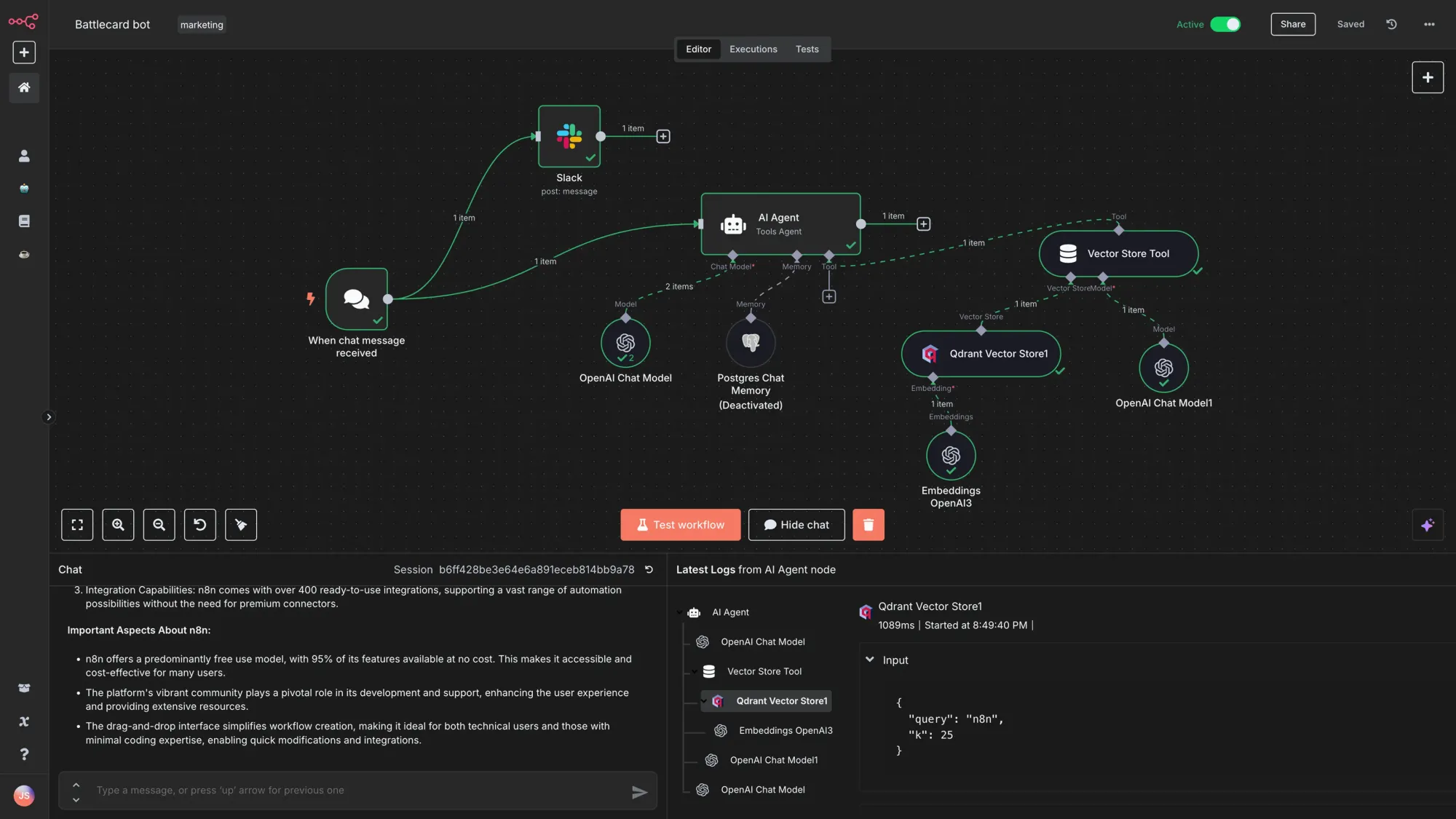
In 2025, AI‑driven personalization is no longer a “nice to have” but a direct lever on revenue, AOV, and LTV for any ecommerce brand. This article shows how to integrate
What AI Personalization and RAG Actually Are
AI personalization is the use of machine learning models to adapt content, offers, and journeys in real time based on behavior, context, and customer history. RAG (Retrieval Augmented Generation) combines generative models with a search layer on top of your own data (orders, catalog, knowledge base) so that generated content is accurate, up‑to‑date, and specific to your brand.
In practice, instead of a generic chatbot or recommender, the model first retrieves information from your internal sources (products, FAQs, past campaigns, segments) and then generates answers, suggestions, or copy that match your tone of voice and commercial rules. This reduces errors, keeps messaging consistent, and speeds up the rollout of personalized marketing use cases.
Why AI Personalization Is a Growth Lever in 2025
Recent ecommerce personalization studies show strong lifts in conversion, AOV, and retention when experiences are tailored to the individual user, especially on mobile and social commerce. At the same time, media costs are rising, so it is critical to monetize each visit, signup, and first‑time buyer more effectively.
From a growth perspective, AI + RAG enable you to: build dynamic segments, nurture leads and customers with content tailored to their stage and behavior, and orchestrate omnichannel journeys that account for the “messy middle” between first touch and purchase. This lets you go deep on retention, monetization, and margin, not only on acquisition.
Practical RAG Use Cases for Ecommerce
The most valuable RAG use cases for ecommerce fall into three areas: product discovery, customer support, and personalized content marketing. The goal is always to reduce friction, build brand authority, and increase the likelihood of repeat purchase.
1. Conversational recommendation engine
A RAG‑powered shopping assistant can guide users to the right product by combining catalog data, reviews, policies, and blog content. Compared with simple “related products,” RAG can justify recommendations, address objections (sizing, materials, delivery times), and propose bundles or cross‑sells aligned with the segment’s historical behavior.
On the metric side, this works on: add‑to‑cart rate, AOV via dynamic bundles, and time‑to‑product. It also captures qualitative data on recurring questions, feeding continuous UX, copy, and merchandising improvements.
2. Real‑time personalized email and automation
RAG can connect to your CRM and marketing automation platform to dynamically generate email, SMS, and onsite messages based on RFM clusters, interests, and browsing behavior. Instead of static templates, you get content that reflects products viewed, past orders, relevant reviews, and educational articles.
This is especially powerful for welcome flows, post‑purchase, win‑back, and ongoing product recommendations. Every touchpoint becomes an opportunity to reinforce the decision, reduce churn, and nurture loyalty through storytelling and offers tuned to that specific journey.
3. Augmented knowledge base and customer service
By connecting RAG to manuals, policies, FAQs, support articles, and order data, your service team can answer faster and more consistently, cutting handling times and improving NPS. In self‑service mode, an assistant on the site or in‑app can solve many issues before a ticket is created.
From a growth standpoint, this reduces post‑purchase friction, builds trust, and increases the odds of repeat purchases and referrals, which translates into higher retention and lower support cost per order.


How to Plug AI + RAG Into Your Stack
Before picking tools, you need clean data and mapped customer journeys; without this, RAG cannot perform well. The best approach is to start with a single high‑impact, low‑complexity use case, not a giant all‑in‑one project.

1. Audit your data and sources
List the data you already have: orders, onsite events, CRM data, product catalog, blog content, FAQs, support materials. Use this phase to clean duplicates, fix inconsistent attributes, and tighten catalog taxonomy, because this will be the foundation of personalization.
2. Prioritize your first use cases
Pick one or two use cases with measurable impact on conversion, AOV, retention, or ticket reduction. For many ecommerce brands, the best starting points are a conversational recommender on PDP or personalized post‑purchase email flows.
3. Choose platform and integration model
You can use:
- Features embedded in your ESP/CRM
- Dedicated AI personalization platforms
- Custom stacks built on APIs and vector databases
The right choice depends on volume, in‑house technical resources, and how much control you want over models, data, and governance.
4. Measure, A/B test, and scale
Every AI use case should launch with a clear A/B test (control vs. experience) and predefined KPIs: conversion uplift, revenue per session, LTV uplift by segment, ticket reduction. Once validated, extend the logic to more touchpoints (social, app, paid campaigns) and additional customer segments.

SEO & Content: Using RAG Without Diluting Brand Authority
A common mistake is using generative AI to pump out generic content at scale, which can hurt domain authority and perceived quality. RAG lets you do the opposite: it turns AI into an amplifier of your existing expertise by surfacing proprietary data, case studies, and insights you already own but rarely use.

For SEO, this means: blog articles that answer specific informational queries from your audience, richer category pages with useful content and FAQs derived from real customer questions, and thought‑leadership assets that position your brand as a reference. You work in parallel on qualified organic traffic and conversion while maintaining editorial control.
Key Metrics to Track With AI + RAG
To know whether AI personalization and RAG are really moving the needle, define a shared KPI set across marketing, product, and customer service. Beyond conversion rate and revenue per session, include retention, engagement, and service quality metrics.
Implementation and Governance Best Practices
AI and RAG introduce governance, privacy, and data‑quality requirements: models must be fed with consistent, up‑to‑date data that complies with privacy regulations and consent preferences. It is also crucial to define ownership over prompts, personalization rules, and thresholds for human review.
A good practice is to set up a continuous loop: performance monitoring, prompt refinement, regular knowledge‑base updates (new articles, policies, products), and structured feedback from marketing, CRM, and support teams. This keeps RAG as a living asset that grows with your brand instead of a one‑off project.
A 30‑Day Roadmap to Get Started
To avoid the “never‑ending project” trap, structure a 30‑day MVP roadmap focused on one first use case: data audit, use‑case selection, setup, and test. The goal is not technical perfection but a measurable uplift on one key metric that opens the door to scaling.
- Map current data and journeys (analytics, CRM, existing automations, top support questions).
- Choose a single use case (e.g., PDP shopping assistant or post‑purchase email flow) with a clear objective.
- Select the platform or technical partner based on your current stack (ESP, CRM, CDP, CMS).
- Configure the knowledge base and prompts, integrate event tracking, and define test variants.
- Run the A/B test for at least 2–4 weeks, then plan rollout to additional segments and channels.
If your ecommerce already uses RFM segmentation, marketing automation, and data‑driven customer journey mapping, adding RAG is the natural next step to scale revenue streams more efficiently.